We do not know how long Adam and Eve lived in the Garden of Eden before the fall. The Garden of Eden was a pure and perfect world, specially created for humanity by God. When God completed creation, everything was good, immaculate, peaceful, free from sin or suffering. Humanity lived in harmony with God, free from toil, pain, and death. They had access to the Tree of Life and were created to live in fellowship with God eternally.
God gave them dominion over creation and one simple command:
“You are free to eat from any tree in the garden; but you must not eat from the tree of the knowledge of good and evil, for when you eat from it you will certainly die” (Genesis 2:16–17).
Tragically, Eve believed the serpent’s deception rather than God’s truth:
“You will not certainly die” (Genesis 3:4).
She ate the fruit and gave it to Adam, and he also ate. In that moment, sin and death entered the human world. The change was not in the Garden, but in mankind. Their fellowship with God was broken, and they were driven out of Eden. Pain, sorrow, toil, and death became the new reality of human existence.
Yet even in judgment, God, in His love for mankind, revealed His redemptive plan. He declared:
“I will put enmity between you and the woman… he will crush your head, and you will strike his heel” (Genesis 3:15). Some theologians referred to this promise of God when Jesus Christ showed up on earth.
From the beginning, God made a way for humanity to overcome sin and death.
Humanity had become enslaved to sin, powerless to save itself. But God, in His mercy, provided the solution, His Son, Jesus Christ. Though some struggle to understand how God could have a Son, Scripture reveals that Jesus is not a created being but the eternal Word of God, one with Him from the beginning. Jesus Christ is a part of God, through whom all were created. “No one has ever seen God, but the one and only Son, who is himself God and is in closest relationship with the Father, has made him known.” John 1:18. God took on the nature of humanity, born of a woman, Mary.
Jesus responded to Philip, who had asked to be shown the Father:
“Have I been with you so long, and yet you have not known Me, Philip? Anyone who has seen Me has seen the Father. How can you say, ‘Show us the Father’? Do you not believe that I am in the Father, and the Father is in Me?” (John 14:9–10)
In this profound statement, Jesus revealed the unity between Himself and the Father. To see Jesus is to encounter the very nature, character, and presence of God. He is not merely a messenger of God; He is the full revelation of God to humanity.
This truth calls us to a deeper faith: to know Christ is to know God, and to receive Him is to receive the Father. It is also our only assurance of returning to God when this world comes to an end.
As written:
“In the beginning was the Word, and the Word was with God, and the Word was God… Through Him all things were made” (John 1:1–3).
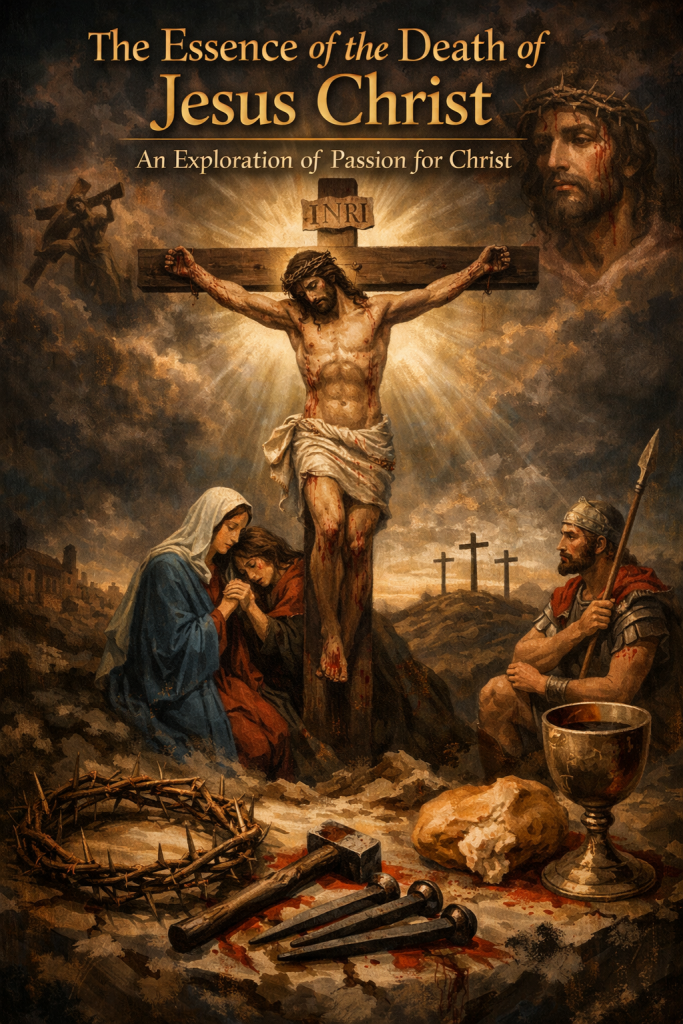
The curse of death hung over all mankind, and no human effort could remove it. Only a divine sacrifice could satisfy divine justice. Jesus willingly embraced this mission, which only God can do. In deep anguish, He prayed:
“Father, if You are willing, take this cup from me; yet not my will, but Yours be done” (Luke 22:42).
His death was painful and sacrificial, yet purposeful. Through His victory over death, He granted humanity triumph over the grave.
He said:
“Because I live, you also will live” (John 14:19).
“Whoever obeys my word will never see death” (John 8:51).
As Paul explains:
“Just as sin entered the world through one man, and death through sin… so also through one man, Jesus Christ, grace and righteousness reign in life” (Romans 5:12, 17).
He died so that we might live.
Scripture declares:
“Christ also suffered once for sins, the righteous for the unrighteous, to bring you to God” (1 Peter 3:18).
“He died for us so that… we may live together with Him” (1 Thessalonians 5:10).
The essence of Jesus’ death is therefore the defeat of sin and the destruction of death’s power over humanity. Through Him, eternal life is restored.
Conclusion
The death of Jesus Christ is not merely a historical event; it is the turning point of humanity’s destiny. Through His sacrifice and resurrection, death is conquered, sin is defeated, and eternal life is made available to all who believe. Thank You, Jesus, for dying and rising again so that I may live.
Please be on the lookout for my forthcoming book, “Defying Death: How to Live and Not Die”, a powerful exploration of life, faith, and victory over death.
Michael Jolayemi is the Author of:
- Saving America: The war we can’t ignore
- Sheltered Through the Storm: The Travails and Ultimate Triumph of the Church
- The Mysteries of God, the Origin We Don’t Know, the Eternity We Should Believe